When you’re beginning to understand California’s child support system, you might assume that the monthly support payment calculated by the guideline formula covers all of your children’s expenses. The reality is more nuanced. California’s guidelines set a base support amount, but several categories of costs are handled separately as “add-ons” to that base.

Understanding what these additional expenses are, how they’re typically shared between parents, and how to negotiate them in mediation is crucial for creating a complete financial arrangement that actually works.

As a divorce mediator with an MBA in Finance, I regularly help parents navigate discussions about these add-on expenses. While I can’t provide legal advice, I can walk you through the landscape of add-on expenses and how to approach them thoughtfully, drawing on my financial expertise.

Childcare Costs: California’s Most Significant Add-On
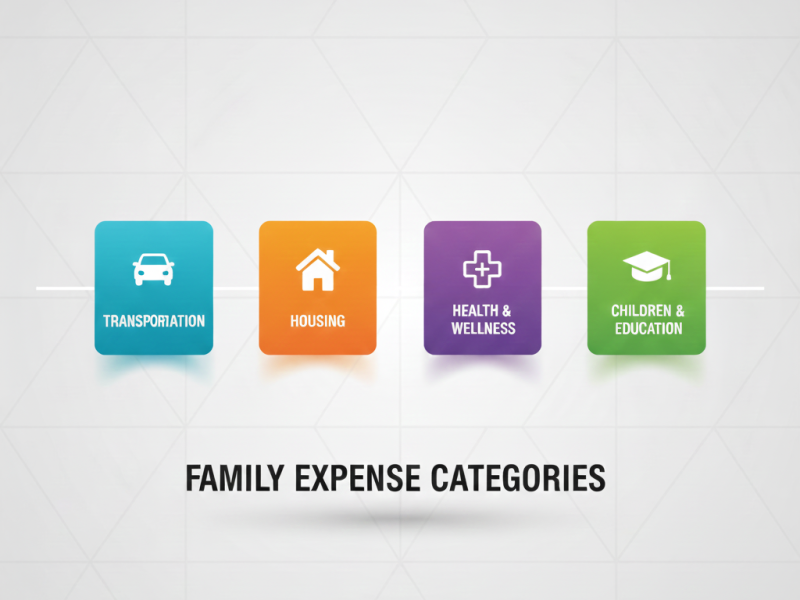
California child support add-on expenses for necessary childcare and how parents share work-related childcare costs based on income percentages. Schedule a consultation at (877) 732-6682 to create a clear mediation plan.

The most significant add-on expense in California involves childcare costs necessary for a parent to work or to obtain education or training for employment.

The keyword is “necessary.” Childcare costs that help you earn income or improve your earning capacity are shared between parents, in addition to base child support. The proportionate share is typically calculated based on each parent’s share of the combined gross income. If you earn 60% of the combined income and your spouse earns 40%, you’d pay 60% of the childcare costs and your spouse 40%.

However, there are limits. If you choose an expensive private nanny costing $3,000 monthly when affordable daycare at $1,500 is available, the other parent might reasonably argue that only reasonable costs should be shared. Day camps serving a childcare function while you work are generally considered necessary, but expensive specialty camps may not be.

Uninsured Healthcare Expenses

Medical, dental, and vision expenses not covered by insurance are another category of add-on expenses. These include co-pays, prescription medications, dental work beyond insurance coverage, orthodontia costing $5,000 or more, vision care, and therapy sessions.

In California, parents typically share uninsured medical expenses by agreement, usually on a proportional basis.

Parents need to decide practical details. Will you share all uninsured expenses, or only those above a threshold like $100? If your child needs $200 worth of prescriptions monthly, will each parent pay their proportionate share, or will you set a higher threshold? How quickly must expenses be reimbursed—thirty days, sixty days? What documentation is required? These details prevent future disputes.

Health Insurance Premiums

Health insurance premiums for children are typically factored into the child support calculation rather than handled as a separate add-on. California’s guideline formula includes health insurance premiums as a factor that directly affects the support calculation. Parents decide who will carry the insurance, usually whoever has access to better or more affordable coverage.

Educational Expenses

Educational expenses beyond what public schools provide are another area where parents often share costs by agreement.

Private school tuition is the most obvious example. If both parents agree that private school is appropriate, they’ll need to decide how to share the $15,000 or $20,000 annual cost—either proportionately or 50/50. Sometimes one parent strongly supports a private school while the other doesn’t, leading to negotiations over who pays what share.

Tutoring costs, especially when necessary to help a struggling child, are often shared. Weekly tutoring at $80 per session adds up to over $300 monthly. School supplies and field trips are usually considered covered by base child support.

Extracurricular Activities and Extraordinary Expenses

Sports, music lessons, art classes, and other extracurricular activities fall into a negotiable category. Some parents share these costs, especially if activities are essential for children’s development.

The challenge is that costs accumulate quickly. Soccer league fees of $500 per season, music lessons at $150 monthly, dance classes at $200 monthly—suddenly, you’re looking at $500 to $700 monthly in extracurricular expenses beyond base support.

Parents often negotiate guidelines around extracurriculars. Maybe each child gets a $300 monthly budget for activities, or parents agree to share the cost of activities they both approve in advance. Without clear guidelines, conflicts arise when one parent enrolls the child in expensive activities, expecting the other to share costs.

Beyond standard categories, children sometimes have extraordinary expenses. Special needs expenses that insurance doesn’t cover, such as specialized therapies costing $200 per session, often require parents to work together financially. Major one-time expenses, such as bar/bat mitzvahs costing $10,000 or substantial travel costs, might be shared if both parents value them.

The key to extraordinary expenses is having a process for discussing them before committing, rather than presenting the other parent with bills after the fact.

How Add-On Expenses Are Calculated and Shared

For most add-on expenses, California parents use a proportionate income-sharing formula based on each parent’s percentage of combined gross income.

If Parent A earns $100,000 annually and Parent B earns $50,000 annually, their combined income is $150,000. Parent A earns 67%, and Parent B earns 33%. For $1,000 in monthly childcare, Parent A would pay $670, and Parent B would pay $330.

Some parents prefer different sharing ratios for various categories—maybe proportionate sharing for childcare, but 50/50 for extracurriculars. Parents also need practical systems for managing expenses. Will you use a shared app to track costs and share receipts? How often will you settle up? These administrative details matter for reducing conflict.

How Litigation Handles Add-On Expenses Poorly

In the adversarial litigation system, add-on expenses become another battleground. Lawyers argue over what should be shared, and generic orders about sharing expenses ignore the practical details that make arrangements actually work.

You might end up with an order stating “parties shall share uninsured medical expenses proportionate to income” with no definition of what constitutes an uninsured medical expense, no threshold amount, no documentation requirements, and no reimbursement timeline. Within months, you’re fighting over whether chiropractic visits count and whether one parent can wait six months to seek reimbursement.

The adversarial process encourages parents to be strategic rather than collaborative. One parent pushes to include as much as possible as a shared expense. The other resists sharing anything beyond the bare minimum. Neither approach serves the children’s actual needs.

How Mediation Creates Better Add-On Expense Agreements

Mediation strategies for structuring California child support add-on expense agreements with clear terms for shared childcare, medical, and activity costs. Speak with a mediator at (877) 732-6682 for guidance.

In mediation, we can have detailed conversations about add-on expenses that create clear, practical agreements. Unlike generic language in litigation orders, mediated agreements spell out exactly how your family will handle these costs.

We can discuss which expenses you’re committed to sharing, how you’ll handle discretionary expenses, and how you’ll manage administrative details. We can create systems that work for your communication style and your children’s specific needs.

My financial background helps significantly here. I can analyze your historical expenses by category, project them forward, and help you explore fair-sharing formulas that don’t require constant tracking. We can model different scenarios: what if you share everything over $50? What if you split extracurriculars 50/50 but do medical expenses proportionate to income?

This analysis prevents both parents from being surprised by the financial reality after the agreement is finalized.

The Tension Between Comprehensive and Simple Arrangements

There’s a natural tension in negotiating add-on expenses between being comprehensive and being simple. Theoretically, you could track and share every expense related to your children beyond basic support. In practice, this creates an enormous administrative burden and many opportunities for disagreement.

Many parents find it works better to be specific about truly significant expenses—childcare costing $1,000 monthly, orthodontia costing $5,000, sports requiring $500 per season—while acknowledging that base child support covers routine daily expenses.

Common Pitfalls to Avoid
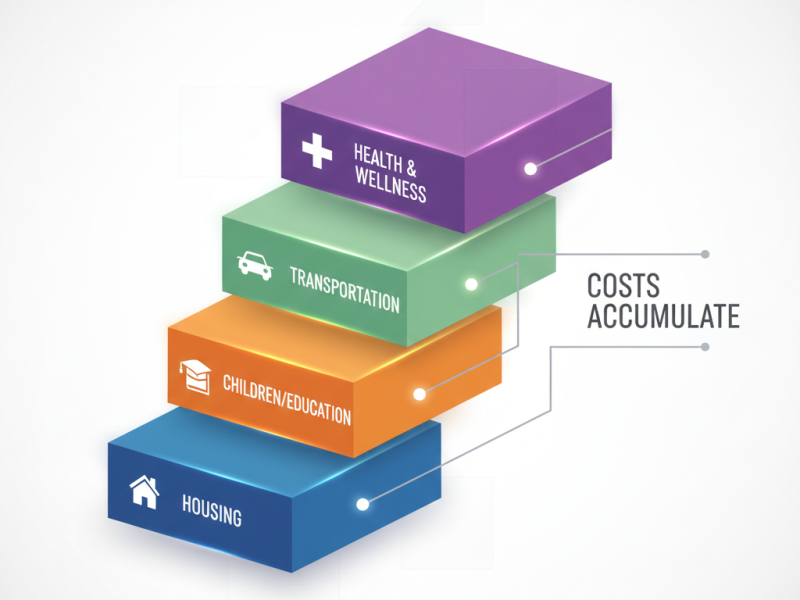
Common California child support add-on expense mistakes and how to prevent disputes by defining shared costs, approval requirements, and reimbursement timelines. Get expert mediation help at (877) 732-6682.

Several common mistakes arise when negotiating add-on expenses. One is being too vague: agreeing to “share medical expenses” without defining what that entails can lead to conflict later. Be specific about what expenses are covered, how they’re shared, what documentation is needed, and the reimbursement timeline.

Another pitfall is one parent making unilateral decisions about expenses that they expect the other parent to share. If you sign your child up for $400 monthly gymnastics without discussing it first, they may reasonably refuse to share that cost. Build in requirements for advanced discussion on discretionary expenses.

Moving Forward with Complete Financial Planning and Control

Understanding add-on expenses is crucial for realistic post-divorce financial planning. If you’re budgeting based only on the guideline support amount, you may be surprised by additional costs. It’s also important to consider the interplay between child support and spousal support, since changes to one obligation can directly affect overall cash flow and what each parent can realistically afford.

In litigation, you lose control over how these expenses get structured and end up with generic orders that create more problems than they solve. In mediation with financial expertise, you maintain control while getting sophisticated analysis of what makes sense for your family.

We actively guide you through creating expense-sharing arrangements that are both fair and practical. This personalized approach recognizes that every family’s expense profile is unique.

As you prepare for mediation, gather information about your children’s current expenses beyond basics. What do you spend on childcare? What have uninsured medical expenditures been? What do extracurriculars cost? This information helps you negotiate from knowledge rather than guessing.

When both parents understand the complete financial picture and work together rather than fighting through lawyers, you can create arrangements that genuinely support your children while being realistic about what each parent can afford. If you’re facing divorce in California and want guidance in creating comprehensive expense-sharing arrangements with financial expertise, reach out to discuss how mediation can serve your family.

“You may have researched how alimony works in your state. But in my experience, regardless of whether a state offers guidance on how to resolve alimony, often, couples negotiate their own agreement tailored to their unique situation and circumstances.

So you have a lot of flexibility and can maintain a lot of control if you negotiate the terms of alimony out of court with the help of a skilled professional using an alternative dispute resolution process like divorce mediation or a collaborative divorce .

You and your soon-to-be ex-spouse will more likely come to an alimony arrangement that's acceptable to both of you."

Joe Dillon headshot

Joe Dillon | Divorce Mediator & Founder

FAQs About California Child Support

California uses a mandatory statewide guideline formula to calculate child support in all cases, as outlined in Family Code Section 4055. This formula is not optional – courts must use it unless specific exceptions apply. The formula is expressed as: CS = K[HN – (H%)(TN)], where CS represents the monthly child support amount, K is the amount of combined parental income allocated to child support, HN is the higher-earning parent’s net monthly disposable income, H% is the approximate percentage of time the higher earner has primary physical responsibility for the children, and TN is the total combined net monthly disposable income of both parents.

The K value is itself calculated using a complex formula that considers the parents’ combined net disposable income and applies different multipliers at various income levels. These multipliers were updated in September 2024 for the first time since 1992 to better reflect current economic realities. The formula produces a rebuttable presumption that the calculated amount is the correct amount of child support, meaning courts must order this amount unless there are specific grounds to deviate from it.

The guideline is designed to ensure children share in both parents’ standard of living and that both parents contribute to their children’s support in proportion to their respective incomes and time with the children. California provides an official online Guideline Calculator that parents, attorneys, and courts use to perform these complex calculations. However, understanding the underlying formula helps parents appreciate how various factors influence the final support amount.

The formula accounts for the reality that the higher-earning parent typically pays support, but if the calculation results in a negative number, the lower-earning parent would pay support to the higher earner. This can occur when the higher earner has the children significantly more than half the time. The guideline applies in divorce cases (called dissolution of marriage in California), cases involving unmarried parents, modifications of existing orders, and any other proceeding where child support is at issue.

California takes an extremely broad view of what constitutes income for child support purposes, as defined in Family Code Section 4058. The law states that income includes money from whatever source derived, with very limited exceptions. The goal is to capture all resources available to parents to ensure adequate child support.

Income that must be considered includes wages and salary from all employment, bonuses and commissions (typically averaged over 12 months if received regularly), overtime pay (though courts may exclude it if unlikely to continue or if it creates an excessively onerous work schedule), tips and gratuities, self-employment income (calculated as gross receipts minus legitimate business expenses required for operation), rental income from real property, interest and dividends from investments, royalties and income from patents or intellectual property, retirement and pension income including Social Security retirement benefits, disability payments from workers’ compensation, state disability insurance, Social Security disability, or veterans’ disability benefits not based on need, unemployment insurance benefits, spousal support received from a previous marriage to someone other than the current case’s other parent, annuity payments, capital gains from asset sales, trust income, partnership and LLC distributions, and any other monetary benefit a parent receives.

The court may also consider employee benefits that reduce living expenses, such as a company car, housing allowances, or expense accounts, though this is discretionary. Importantly, courts can impute income based on earning capacity rather than actual earnings when a parent is voluntarily unemployed or underemployed. For example, if a parent with an MBA and history of earning $150,000 annually takes a minimum wage job to avoid support obligations, the court can calculate support based on what they could reasonably earn rather than actual current income.

Income specifically excluded from calculations includes child support received for children from other relationships, certain need-based public assistance like SSI or CalWorks cash aid, life insurance proceeds (though interest earned on proceeds may be included), non-recurring gifts, foster care payments, financial aid like grants and loans for education, and certain personal injury settlement proceeds.

After determining gross income from all sources, the court calculates net disposable income by subtracting allowable deductions including federal and state income tax liability, mandatory payroll deductions like Social Security and Medicare taxes, state disability and unemployment insurance, mandatory union dues, health insurance premiums for the parent and children, child support and spousal support actually being paid to others pursuant to court orders, and job-related expenses that are necessary and reasonable if approved by the court. The result is net monthly disposable income, which forms the basis for the guideline calculation.

Parenting time, also called timeshare or custody time, significantly impacts child support calculations in California and is built directly into the guideline formula. The formula includes H%, which represents the approximate percentage of time the higher-earning parent has primary physical responsibility for the children compared to the other parent. This percentage directly affects how much support is owed – generally, the more time the paying parent spends with the children, the less child support they pay.

This makes intuitive sense because a parent caring for children during their parenting time incurs direct expenses for food, housing, activities, and daily needs. California courts calculate timeshare based on the total number of hours or days each parent has the children over the course of a year. Most counties calculate timeshare by counting overnight stays, though some consider daytime hours as well.

The California guideline recognizes different custody arrangements with varying support implications. In a primary custody arrangement where one parent has the children most of the time (typically 70% or more), that parent usually receives child support from the other parent. The less time the paying parent has with the children, the higher their support obligation tends to be.

In shared custody arrangements where parents have relatively equal time (typically considered somewhere between 35% and 65% for each parent, though definitions vary), both parents spend substantial time with the children and both incur significant direct costs. Support calculations in shared custody situations account for this by reducing the support amount compared to what would be owed with less parenting time. In some cases with true 50/50 timeshare and similar incomes, no support may be owed. If one parent has significantly higher income even with equal time, they may still pay support but at a reduced amount compared to a scenario with less parenting time.

Accurately calculating timeshare is critical and can impact support amounts by thousands of dollars annually. Courts require parents to provide detailed custody schedules showing exactly when children are with each parent. Rather than estimating, using a parenting time calendar or custody tracking software to calculate precise percentages provides the most accurate results. When different children have different timeshare arrangements between the parents, the formula averages the percentages across all children.

It’s important to understand that the guideline formula itself automatically accounts for timeshare – parents don’t separately deduct costs for time with children. The formula is designed to distribute the total cost of raising children between both parents based on their incomes and time, recognizing that the parent with more time contributes more through direct daily expenses.

Under California law, the general rule is that child support ends when a child turns 18 years old, which is the age of majority in California. However, there are important exceptions that can extend support beyond age 18 or terminate it earlier in specific circumstances.

The most common exception is found in Family Code Section 3901, which provides that if a child reaches age 18 while still enrolled as a full-time high school student and is not self-supporting, child support continues until the child graduates from 12th grade or turns 19 years old, whichever occurs first. For example, if a child turns 18 in October of their senior year, support continues through high school graduation the following June, assuming graduation occurs before the 19th birthday. However, if the child graduates in May before turning 18, support ends at graduation even though they haven’t yet reached 18. The child must be attending high school full-time and living with a parent (not self-supporting) for this extension to apply.

Child support can also continue beyond age 18 or 19 if the child has a disability that prevents them from earning a living and becoming self-sufficient. Family Code Section 3910 provides that parents have an equal responsibility to maintain an adult child who is incapacitated from earning a living and without sufficient means to support themselves. This obligation continues based on the extent of the parents’ ability to provide support and the adult child’s needs.

Parents can also agree to continue child support beyond the age of majority for any purpose, including college expenses. While California law does not require parents to pay for college (unlike some states), parents can voluntarily agree to provide educational support and include these terms in their settlement agreement or stipulation. Once incorporated into a court order, these agreements become enforceable.

Certain events can terminate child support before the child reaches 18. If a minor child becomes legally emancipated through court order, marriage, or active military service, the support obligation ends. Emancipation means the child is legally recognized as independent and self-supporting. Death of either the child or the paying parent also terminates the obligation.

An extremely important procedural point: even when a child reaches the age where support should end by operation of law, income withholding orders (wage garnishments) do not automatically stop. Employers will continue deducting support from paychecks until they receive an official Terminated Income Withholding Order (Form FL-195) signed by a judge. The parent paying support must file the appropriate paperwork with the family court to obtain this termination order and provide it to their employer. Failing to do so can result in continued wage withholding even after the legal obligation has ended.

Additionally, if arrears (past-due child support) exist, the obligation to pay the outstanding balance continues even after current support ends. Child support enforcement agencies will continue collection efforts on arrears until paid in full, including interest.

Yes, California child support orders can be modified when circumstances change, but certain legal requirements must be met. Either parent or the child’s legal guardian can request a modification at any time by filing the appropriate paperwork with the court or by requesting a review through the local child support agency.

The fundamental requirement for modification is showing a material change of circumstances since the last court order was entered. A material change refers to a substantial shift in the conditions that formed the basis of the original support order, affecting either parent’s financial situation, the children’s needs, or the custody arrangement.

Common examples include significant changes in either parent’s income, such as job loss, substantial pay increase or decrease, or change in employment hours; involuntary unemployment or underemployment (though voluntary reduction in income to avoid support typically doesn’t qualify); changes in the amount of time each parent spends with the children, particularly if custody arrangements have shifted substantially; changes in the children’s needs, such as increased childcare costs, medical expenses, educational expenses, or special needs that have developed; the birth or adoption of additional children to either parent, though courts handle this carefully to ensure existing children’s needs remain met; and incarceration of a parent for at least 90 days, which can suspend support obligations under recent California law.

California has specific numeric thresholds that create a presumption that modification is warranted. Local child support agencies must request modification if the Guideline Calculator indicates the monthly support amount should change by at least 20% or $50, whichever is less. For example, if current support is $800 per month, a change to $960 or more (20% increase) or to $640 or less (20% decrease) would meet this threshold.

An important exception exists under Family Code Section 4065(d): if parents previously agreed to a child support amount below the guideline amount, either parent can request modification to the guideline amount (or higher) at any time without having to show any change in circumstances. This recognizes that children are entitled to guideline support and below-guideline agreements can be revisited.

Critical procedural points: Until the court approves a modification, the existing order remains in full force and effect. Parents cannot simply agree between themselves to pay different amounts – any informal agreement is not legally binding and the original court order continues to be enforceable. Modifications are only effective from the date the modification request is filed with the court going forward, not retroactively. This makes filing promptly when circumstances change critical.

Parents can pursue modification through two paths: filing their own Request for Order (Form FL-300) with the court along with current Income and Expense Declarations (Form FL-150) and supporting documentation, or requesting a free review through their local child support agency by calling 1-866-901-3212 or visiting childsupport.ca.gov.

The low-income adjustment (LIA) is a provision in California’s child support guideline designed to protect low-income parents from child support orders that would leave them unable to meet their own basic living expenses. This adjustment reduces the child support amount that would otherwise be calculated under the standard guideline formula.

Family Code Section 4055(b)(7) creates a rebuttable presumption that a parent is entitled to the low-income adjustment when their net disposable income per month is less than the gross income from full-time employment at California’s minimum wage. As of 2025, California’s general minimum wage is $16.50 per hour, which translates to approximately $2,860 in gross monthly income for full-time work (40 hours per week). This threshold adjusts annually with changes to the minimum wage.

It’s crucial to understand the distinction between gross and net income for this purpose. The threshold is based on gross minimum wage income, but eligibility is determined by the parent’s net disposable income. This means even a parent earning more than minimum wage in gross income might qualify for the adjustment if their net disposable income (after taxes and allowable deductions) falls below the threshold.

The low-income adjustment was significantly updated in late 2024, increasing the threshold from the previous standard which had been linked to federal poverty guidelines. This change recognized that the cost of living in California far exceeds federal poverty levels and that requiring very low-income parents to pay support calculated without adjustment could leave them unable to afford basic necessities like housing and food.

When the low-income adjustment applies, it reduces the support obligation to help ensure the paying parent retains enough income for minimum basic needs. The exact reduction varies based on the specific circumstances and is built into the calculations performed by the official California Guideline Calculator. When using the calculator, there’s a checkbox for the low-income adjustment that, when selected, automatically applies the reduction to qualifying parents.

The presumption that a low-income parent receives this adjustment is rebuttable, meaning the other parent can present evidence that the adjustment shouldn’t apply in a particular case. However, the burden is on the party opposing the adjustment to overcome the presumption. Courts consider factors like whether the low-income situation is temporary or long-term, whether the parent has assets that could generate income despite low current earnings, and whether the parent is voluntarily underemployed.

The low-income adjustment interacts with the guideline formula in specific ways. The adjustment ensures that the guideline amount doesn’t exceed a certain percentage of the low-income parent’s net disposable income, generally 50% after application of the adjustment. This prevents support orders that would consume so much of a low-income parent’s earnings that they cannot survive.

Add-on expenses, also called additional child support or mandatory add-ons, are costs for children that are not covered by the basic guideline child support amount and must be specifically ordered separately. The guideline support amount calculated under the formula is intended to cover ordinary daily living expenses like food, clothing, shelter, school supplies, and routine activities. However, certain extraordinary expenses fall outside this basic support and California law requires they be addressed separately in child support orders.

The most common add-on expenses include childcare costs necessary for a parent to work or attend education or training that leads to employment. This includes daycare, after-school care, summer programs, and babysitting expenses required due to work schedules. Childcare costs can be substantial, particularly in California’s expensive childcare market, and the law recognizes these shouldn’t come solely from the basic support amount.

Uninsured or unreimbursed healthcare costs for the children also constitute mandatory add-ons. This includes medical, dental, and vision expenses not covered by insurance such as copayments, deductibles, prescriptions, orthodontia, eyeglasses, and any medical treatment or therapy. Even parents with insurance often face significant out-of-pocket costs that must be allocated.

Educational expenses can be add-ons depending on the circumstances, including costs for special education services, tutoring if educationally necessary, school-related fees for activities or equipment, and private school tuition if the parents agree or the court orders it based on the children’s history and the parties’ circumstances. Travel expenses related to visitation or parenting time when parents live far apart may be ordered as add-ons, particularly when distance requires air travel or substantial driving expenses.

How these add-on expenses are allocated between parents is critical. Unless the court orders otherwise, the default rule is that parents split these costs equally – 50% each. However, Family Code Section 4062 permits the court to allocate these expenses in proportion to each parent’s net disposable income rather than equally. For example, if one parent has 70% of the combined income and the other has 30%, the court might allocate the childcare costs 70/30 rather than 50/50. This proportional allocation is often fairer when parents have significantly disparate incomes.

Parents must specifically request that add-on expenses be included in their child support order. If they don’t ask the court to address these costs, the default 50/50 split applies, which may be problematic if incomes are very different or if costs weren’t anticipated. The court can only order what’s requested, so identifying and presenting evidence of these expenses is crucial.

Documentation is essential – parents should maintain receipts, invoices, and statements showing actual costs for childcare, medical expenses, educational fees, and other add-ons. The parent requesting proportional allocation or seeking reimbursement for add-on costs bears the burden of proving the expenses are reasonable, necessary, and actually incurred.

California law strongly presumes that the guideline child support amount is correct, but parents can agree to different amounts under specific circumstances with court approval. The guideline creates a rebuttable presumption that the calculated amount is proper in any given case, meaning courts must order the guideline amount unless there are valid grounds to deviate.

When parents reach their own agreement on child support, whether during divorce settlement negotiations or in an agreement for unmarried parents, the court must still approve the amount to make it enforceable. The court’s role is to ensure any agreed-upon amount serves the children’s best interests and meets legal requirements.

Parents can agree to child support above the guideline amount without significant scrutiny – if both parents consent to higher support than the formula requires, courts generally approve this as it benefits the children. However, agreements for support below the guideline amount face more rigorous review.

California law permits below-guideline agreements only if specific conditions are met. First, both parents must fully understand their rights and the guideline amount. Second, the agreement must not be the result of coercion or unequal bargaining power. Third, the agreement must be in the children’s best interests. Fourth, the agreement cannot be based on receipt of public assistance – parents cannot agree to low support if one parent or the children are receiving government benefits, as this effectively shifts the support obligation to taxpayers.

However, even if parents agree to below-guideline support and the court approves it, that agreement can be modified later. Family Code Section 4065(d) provides that when a support order is below the guideline amount, either parent may request modification to the guideline amount (or higher) at any time without having to prove any change in circumstances. This provision recognizes that children are entitled to guideline support and protects against agreements that shortchange children’s needs.

Parents can also agree to structure support payments differently than a straight monthly amount. Creative arrangements might include one parent taking more property in the divorce in exchange for reduced or waived ongoing support, payment of specific children’s expenses directly instead of monthly support, or lump-sum support payments rather than monthly installments. Any such alternative arrangements require court approval and careful drafting.

It’s critical that any child support agreement be formalized in a written stipulation signed by both parents and approved by the court through a filed order. Informal agreements between parents, even if written down, are not legally enforceable. The original court order remains in full effect regardless of any private agreements to pay different amounts.

While California law creates a strong presumption that the guideline child support amount is correct, Family Code Section 4057 allows courts to order amounts different from the guideline in specific circumstances where applying the formula would be unjust or inappropriate. However, deviations from the guideline are the exception rather than the rule, and the party seeking deviation bears the burden of proving it’s justified.

Several circumstances can support deviation from the guideline. First, when the parents’ combined income is extraordinarily high, the guideline amount might exceed what’s reasonably necessary for the children’s needs. In these cases, courts can order support above or below guideline based on the children’s actual reasonable needs and the parents’ circumstances.

Second, deviation may be appropriate when a parent is not contributing to the children’s needs at a level commensurate with their custodial time. The guideline formula assumes the parent caring for children during their timeshare pays for those direct needs. If a parent with substantial custody time fails to adequately provide for the children during their time, the court might adjust support upward to compensate.

Third, special circumstances regarding the children’s needs can justify deviation. This includes children with extraordinary medical expenses, special education requirements, or other needs that make the guideline amount insufficient to meet their actual costs. Conversely, if children have independent income or resources (such as from trusts or employment), this might support deviation downward.

Fourth, when children have more than two legal parents (which California law permits in certain circumstances), the guideline may not appropriately account for multiple support obligors. Courts can deviate to properly allocate support among three or more parents.

Fifth, significant differences in the parents’ housing costs relative to their income may warrant deviation. For example, when parents share physical custody roughly equally but one parent pays a much higher percentage of their income for housing than the other, or when the family home sale has been deferred and the rental value exceeds actual housing costs.

Sixth, if parents have different timeshare arrangements for different children, the standard guideline calculation might not properly account for the varying costs, and deviation could be appropriate to more accurately reflect each parent’s direct costs.

Importantly, deviation must serve the children’s best interests. The court considers factors from Family Code Section 4053, which includes principles that children should share in the standard of living of both parents, child support may therefore appropriately improve the standard of living of the custodial household to improve the children’s lives, and the focus is on the children’s interests rather than the parents’ interests.

If a court orders deviation from the guideline, the order must state the amount of support that would have been ordered under the guideline, the reasons the guideline amount would be unjust or inappropriate, and the specific reasons the ordered amount is in the children’s best interests.

California has extensive enforcement mechanisms to ensure child support is paid, and the consequences for non-payment can be severe. When a parent fails to pay court-ordered child support, they accrue arrears (past-due support), which continue to accumulate interest at 10% per year on any overdue amounts. This debt doesn’t go away – it remains legally enforceable until paid in full, even after the children reach adulthood.

California’s Department of Child Support Services (DCSS) and local child support agencies use multiple enforcement tools. The most common is wage withholding through an Income Withholding Order (IWO), which California law requires be included in all child support orders. The IWO directs the paying parent’s employer to automatically deduct the support amount from their paycheck and send it directly to the State Disbursement Unit (SDU), which then distributes the payment to the receiving parent. Employers must comply with these orders and can withhold up to 50% of the employee’s net disposable earnings.

If wage withholding isn’t sufficient or possible, California employs numerous other enforcement remedies. Tax refund intercepts allow both federal and state tax refunds to be intercepted and applied to child support arrears. The IRS and California Franchise Tax Board automatically intercept refunds for parents who owe past-due support and send the money to the SDU for distribution.

Credit reporting is another powerful tool – DCSS reports child support debt to all three major credit bureaus on a monthly basis. Arrears and payment history appear on credit reports, potentially damaging credit scores and making it difficult to obtain loans, mortgages, credit cards, or even rent apartments.

Property liens can be placed against real estate, vehicles, and other assets of parents owing support. These liens must be satisfied before the property can be sold or refinanced. Bank levies and asset seizures allow enforcement agencies to freeze bank accounts and seize funds to satisfy support debt.

License suspensions represent significant consequences – California can suspend or refuse to renew various licenses including driver’s licenses, professional licenses (medical, legal, contractor, real estate), and recreational licenses for parents who are delinquent in child support. Recent law changes in 2025 provide some protection for low-income parents from driver’s license suspension, but enforcement continues through other means.

Passport denial is a federal remedy – parents owing more than $2,500 in child support can have their passport applications denied or existing passports revoked, preventing international travel. For serious cases of non-payment, contempt of court proceedings can result in fines and even jail time when a parent willfully refuses to pay support despite ability to do so.

Given these serious consequences, parents who genuinely cannot pay due to changed circumstances should immediately file for modification rather than simply stopping payment. Modification can only be made prospectively from the filing date – no retroactive relief is available.

Lay the groundwork for a peaceful divorce

About the Authors – Divorce Mediators You Can Trust

Equitable Mediation Services is a trusted and nationally recognized provider of divorce mediation, serving couples exclusively in California, New Jersey, Washington, New York, Illinois, and Pennsylvania. Founded in 2008, this husband-and-wife team has successfully guided more than 1,000 couples through the complex divorce process, helping them reach amicable, fair, and thorough agreements that balance each of their interests and prioritizes their children’s well-being. All without involving attorneys if they so choose.

At the heart of Equitable Mediation are Joe Dillon, MBA, and Cheryl Dillon, CPC—two compassionate, experienced professionals committed to helping couples resolve divorce’s financial, emotional, and practical issues peacefully and with dignity.

Photo of mediator Joe Dillon at the center of the Equitable Mediation team, all smiling and poised around a conference table ready to assist. Looking for expert, compassionate divorce support? Call Equitable Mediation at (877) 732-6682 to connect with our dedicated team today.

Joe Dillon, MBA – Divorce Mediator & Negotiation Expert

As a seasoned Divorce Mediator with an MBA in Finance, Joe Dillon specializes in helping clients navigate complex parental and financial issues, including:

  • Physical and legal custody
  • Spousal support (alimony) and child support
  • Equitable distribution and community property division
  • Business ownership
  • Retirement accounts, stock options, and RSUs

Joe’s unique blend of financial acumen, mediation expertise, and personal insight enables him to skillfully guide couples through complex divorce negotiations, reaching fair agreements that safeguard the family’s emotional and financial well-being.

He brings clarity and structure to even the most challenging negotiations, ensuring both parties feel heard, supported, and in control of their outcome. This approach has earned him a reputation as one of the most trusted names in alternative dispute resolution.

Photo of Cheryl Dillon standing with the Equitable Mediation team in a bright conference room, all smiling and ready to guide clients through an amicable divorce process. For compassionate, expert support from Cheryl Dillon and our team, call Equitable Mediation at (877) 732-6682 today.

Cheryl Dillon, CPC – Certified Divorce Coach & Life Transitions Expert

Cheryl Dillon is a Certified Professional Coach (CPC) and the Divorce Coach at Equitable Mediation. She earned a bachelor’s degree in psychology and completed formal training at The Institute for Professional Excellence in Coaching (iPEC) – an internationally recognized leader in the field of coaching education.

Her unique blend of emotional intelligence, coaching expertise, and personal insight enables her to guide individuals through divorce’s emotional complexities compassionately.

Cheryl’s approach fosters improved communication, reduced conflict, and better decision-making, equipping clients to manage divorce’s challenges effectively. Because emotions have a profound impact on shaping the divorce process, its outcomes, and future well-being of all involved.

What We Offer: Flat-Fee, Full-Service Divorce Mediation

Equitable Mediation provides:

  • Full-service divorce mediation with real financial expertise
  • Convenient, online sessions via Zoom
  • Unlimited sessions for one customized flat fee (no hourly billing surprises)
  • Child custody and parenting plan negotiation
  • Spousal support and asset division mediation
  • Divorce coaching and emotional support
  • Free and paid educational courses on the divorce process

Whether clients are facing financial complexities, looking to safeguard their children’s futures, or trying to protect everything they’ve worked hard to build, Equitable Mediation has the expertise to guide them towards the outcomes that matter most to them and their families.

Why Couples Choose Equitable Mediation

  • 98% case resolution rate
  • Trusted by over 1,000 families since 2008
  • Subject-matter experts in the states in which they practice
  • Known for confidential, respectful, and cost-effective processes
  • Recommendations by therapists, financial planners, and former clients

Equitable Mediation Services operates in:

  • California: San Francisco, San Diego, Los Angeles
  • New Jersey: Bridgewater, Morristown, Short Hills
  • Washington: Seattle, Bellevue, Kirkland
  • New York: NYC, Long Island
  • Illinois: Chicago, North Shore
  • Pennsylvania: Philadelphia, Bucks County, Montgomery County, Pittsburgh, Allegheny County

Schedule a Free Info Call to learn if you’re a good candidate for divorce mediation with Joe and Cheryl.


Related Resources

  • New York Maintenance Calculations above the $241,000 cap, analyzing discretionary factors, lifestyle impacts, and planning strategies. Call (877) 732-6682 for guidance from Equitable Mediation.

    Beyond the Cap: What Happens When Income Exceeds $241,000 in New York Maintenance Calculations

    Alimony is the most difficult issue to resolve in divorce for many reasons. Learn what alimony is and how it works, so you can secure your financial future

  • Illustration of a California map overlayed with a house icon and dollar sign beside a mediator discussing spousal support options with a couple. Need clear guidance on alimony in California? Call Equitable Mediation at (877) 732-6682 to schedule your consultation today.

    Alimony in California: A Divorce Mediator’s Complete Guide to Navigating Spousal Support

    Find out how alimony in California works and how you can prevent your spousal support negotiation (and divorce) from turning into a disaster!

  • Illustration of a California map overlayed with a house icon and dollar sign beside a mediator discussing spousal support options with a couple. Need clear guidance on alimony in California? Call Equitable Mediation at (877) 732-6682 to schedule your consultation today.

    New Jersey Alimony Guide: How Spousal Support is Really Calculated

    Determining alimony in NJ is very challenging. Learn what you need to know about this complex topic and how to get a fair alimony agreement.